/Logo%20Oxycom/Logo%20Oxycom%20-%20blue.png?width=207&name=Logo%20Oxycom%20-%20blue.png)



/Case%20studies%20(Pictures)/VCN/Oxycom%20-%20Clauger.jpg?width=900&height=900&name=Oxycom%20-%20Clauger.jpg)
/Case%20studies%20(Pictures)/Equinix/PreCooll%20adiabatisch.jpg?width=1400&height=1050&name=PreCooll%20adiabatisch.jpg)
Evaporative cooling
/Case%20studies%20(Pictures)/Nutricia/Ventilation%20factory%202.jpeg?width=1080&name=Ventilation%20factory%202.jpeg)
Clean, filtered air for a healthy and safe working environment.
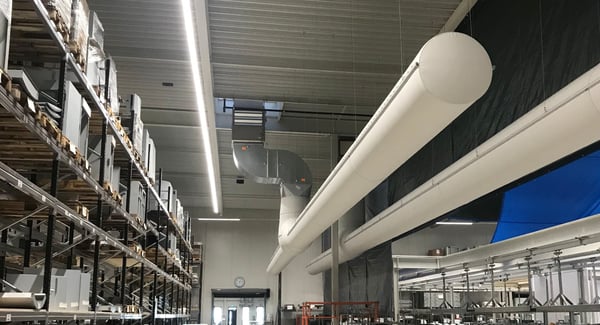

Ventilate with
fresh outside air

Cooling with
energy savings
/Website%20iconen/Ventilation.svg)
Cooling with
less CO₂ emissions

Heating
less energy consumption

1. Outside air is drawn in
2. Air is filtered
3. Via two-stage adiabatic cooling, the air is cooled
4. Fresh, cooled air is introduced into the room
5. Warm and (contaminated) air is exhausted
This creates a constant air flow that provides ventilation and temperature control.
/Book%20cover%20pictures%20(whitepapers%20and%20case%20studies)/EN/Neuman/Neuman_EN_downloadpage.png?width=800&name=Neuman_EN_downloadpage.png)
/Klanten%20logos/Logo%20of%20MS.png?width=200&height=40&name=Logo%20of%20MS.png)
/Klanten%20logos/Logo10.png?width=200&height=40&name=Logo10.png)
/Klanten%20logos/Neuman.svg)
/Klanten%20logos/Bridgestone%20cooling.png?width=200&height=40&name=Bridgestone%20cooling.png)
/Klanten%20logos/Logo8-1.png?width=200&height=40&name=Logo8-1.png)
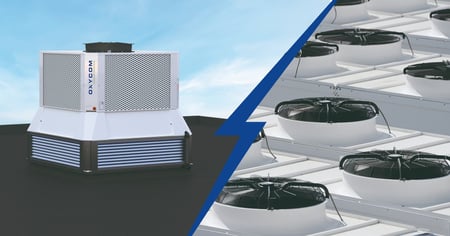
Practice shows that outdoor temperatures in spring and summer continually rise and workers increasingly suffer from high temperatures in production halls. However, production facilities often have a limited form of ventilation and very rarely a mechanical cooling system to control the indoor climate.
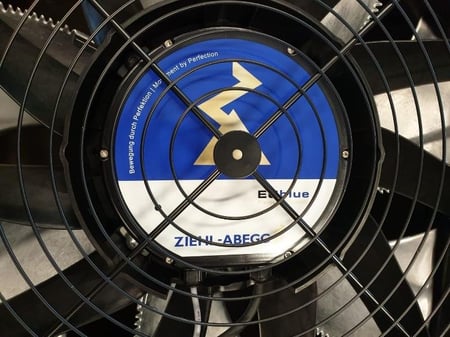
Optimal ventilation is crucial because it reduces the spread of airborne pathogens, improves air quality and thus directly contributes to a healthy and safe work environment; without adequate ventilation, aerosols and contaminated air continue to circulate, making other measures less effective and exposing workers to unhealthy conditions.
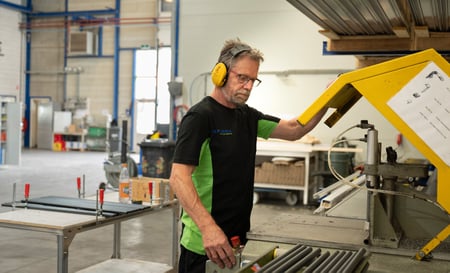
Air pollution poses a major health risk, with indoor air often up to five times more polluted than outdoor air. This pollution, from both external sources and activities within buildings, directly impacts health, well-being and productivity, making improving indoor air quality essential.


